
Tile vs Shingle Roofing in Arizona: 2026 Comparison Guide
- Concrete tile outlasts shingle in desert heat but costs roughly 30 to 35 percent more installed, according to industry pricing guides.
- Architectural shingles realistically last 18 to 25 years in Phoenix UV exposure; tile itself lasts 40 to 50 years but its underlayment needs service at 20 to 30 years.
- Tile's ventilated profile sheds heat better, while shingle wins on upfront cost and simpler repairs.
- Converting a shingle-built home to tile requires structural verification; never skip the engineering check.
Drive through any Phoenix suburb and you will see the Valley's great roofing divide: terracotta tile on one street, architectural shingle on the next. Both handle Arizona heat, but they do it differently, cost differently, and fail differently. This guide compares tile and shingle head to head so you can choose with real numbers instead of neighborhood habit.
The Short Answer: Tile vs. Shingle in Arizona
Concrete tile lasts longer and handles desert heat better, but it costs roughly 30 to 35 percent more installed than architectural shingle, according to industry cost guides. Shingle costs less upfront and is simpler to repair, but in Phoenix's UV exposure it typically needs replacement a decade or more sooner than tile.
There is no universal winner. The right choice depends on your home's structure, your HOA, how long you plan to stay, and what your budget looks like today versus over 20 years. Below is the full comparison, category by category.
Upfront Cost: Shingle Wins Clearly
Installed pricing from industry cost trackers puts architectural asphalt shingle at roughly $4.50 to $7.50 per square foot in the Phoenix area, while concrete tile runs about $6.00 to $10.00 per square foot. On a typical 2,200-square-foot roof, that is the difference between roughly $9,900 to $16,500 for shingle and $13,200 to $22,000 for concrete tile. Clay tile climbs higher still, often $8.00 to $14.00 per square foot.
These are industry planning estimates, not bids, and your roof's pitch and complexity move both numbers. But the gap is structural: tile material costs more, tile labor is slower and more specialized, and tile's weight sometimes requires structural verification. If lowest installed price is the priority, shingle wins every time.
One nuance Valley homeowners miss: many tile roofs do not need all-new tile at replacement time. A lift and relay, where the existing tiles are lifted, new underlayment is installed, and the same tiles go back down, costs substantially less than new tile. If your tile roof is 20 to 30 years old with sound tiles, price a relay before comparing against shingle.
Lifespan in Desert Heat: Tile Wins Clearly
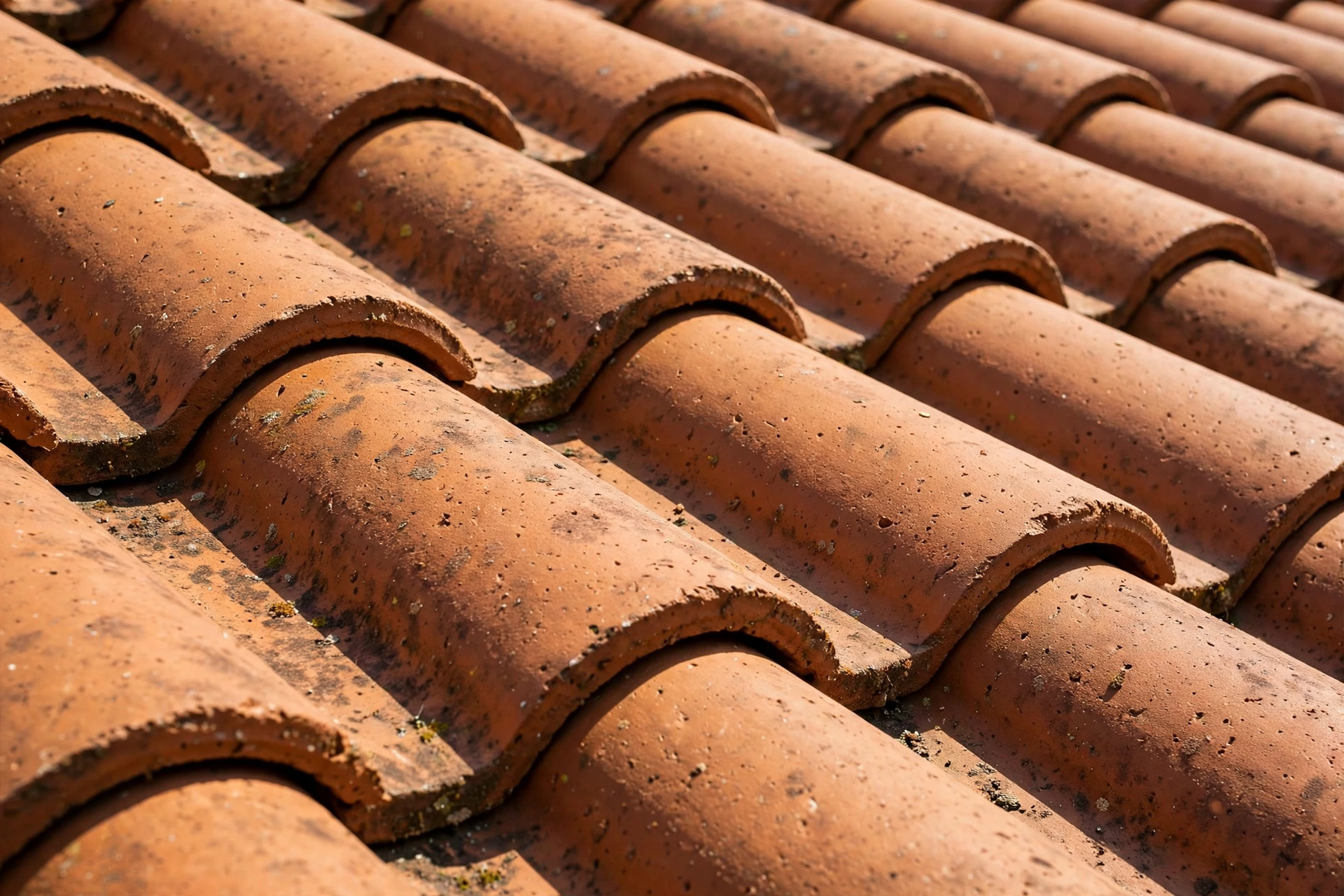
This is where Arizona's climate rewrites the national brochures. Asphalt shingles carry manufacturer ratings of 25 to 30 years, but Phoenix's sustained UV exposure and 100-plus days above 100°F each year (National Weather Service, n.d.) bake them faster. Local industry experience puts realistic shingle life here at 18 to 25 years for quality architectural products, and less for builder-grade three-tab.
Concrete tile itself is nearly indifferent to UV. Tiles routinely last 40 to 50 years, and clay longer. The catch is the underlayment beneath: in desert heat, underlayment typically needs replacement at 20 to 30 years even when every tile looks perfect. So a "50-year tile roof" in Arizona really means a 25-year underlayment cycle with the tiles reused. Still longer than shingle, but understand what you are buying.
Real talk: when a salesperson quotes you a "lifetime" tile roof, ask specifically about the underlayment warranty and its expected service life in writing. The tiles will outlive all of us; the underlayment is the actual roof.
Heat and Energy Performance
Tile has a natural advantage: its curved profile creates air channels between the tile and the deck, and that ventilated air gap sheds heat before it reaches your attic. The U.S. Department of Energy notes that cool roof designs, including ventilated tile assemblies and reflective coatings, can meaningfully reduce cooling loads in hot climates (U.S. Department of Energy, n.d.).
Shingle roofs sit flat on the deck with no air gap, so more heat conducts straight into the attic. Light-colored or "cool" rated shingles help by reflecting more sunlight, and they are worth specifying in Arizona, but they do not match the passive ventilation of a tile profile.
In practice, homeowners switching from dark shingle to tile often report noticeably cooler upstairs rooms in summer. The difference will not eliminate your APS or SRP bill, but over 20 summers it adds up, especially paired with proper attic ventilation.
Monsoon and Wind Resistance
Both materials handle Valley monsoons when installed correctly, and both fail when they are not. Tile's weight, often 600 to 1,100 pounds per square, resists wind uplift impressively; properly installed tile systems carry some of the highest wind ratings in residential roofing. Individual tiles can crack from large hail or falling branches, but the system as a whole stays put.
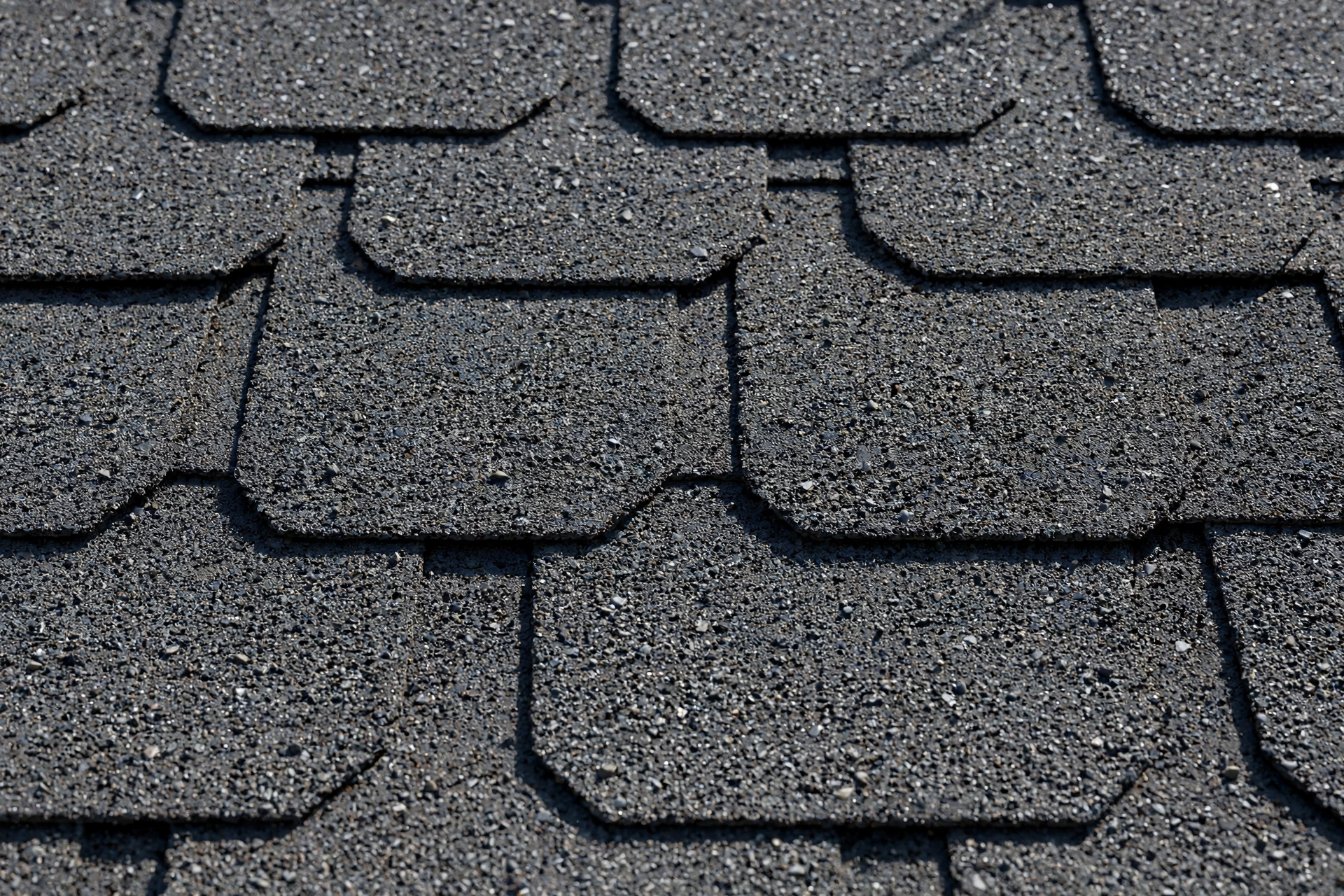
Architectural shingles rely on sealant strips and nailing patterns for wind resistance. Quality architectural shingles carry 110 to 130 mph wind ratings, which covers most Valley microbursts. The vulnerability is age: as sealant strips bake and release in the heat, older shingles become far more peel-prone in a dust storm. A 20-year-old shingle roof faces monsoon season very differently than a 5-year-old one.
Maintenance and Repairs Compared
Shingle repairs are simpler and cheaper. A roofer can replace individual damaged shingles in under an hour with basic tools, and matching shingles are easy to source for the first decade or so. Most minor shingle repairs fall in the low hundreds of dollars.
Tile repairs require a lighter touch. Tiles crack if walked on incorrectly, so repairs demand a roofer experienced with tile who knows how to distribute weight. Replacing a handful of broken tiles is routine and inexpensive, but finding exact matches for discontinued profiles on older roofs can be a hunt. Never let an inexperienced handyman walk a tile roof; the repair bill for his footprints exceeds whatever you saved.
Both need the same inspections. Regardless of material, a professional inspection every 2 to 3 years, plus a check after every major monsoon, catches slipped tiles, lifted shingles, and failing flashing before they become interior stains. Inspections are inexpensive; interior water damage is not.
A practical Valley maintenance rhythm looks like this. In spring, before the heat builds, clear debris from valleys and gutters, check that attic ventilation is unobstructed, and look for cracked or slipped tiles and curled shingles from the ground with binoculars. After monsoon season ends in fall, walk the perimeter again and look for displaced material, damaged flashing around vents, and granule buildup in gutters, which signals shingle wear. Every few years, pay a professional for an on-roof inspection with photos. None of this is glamorous, and all of it is cheaper than the leak it prevents.
Weight and Structure: The Deciding Factor for Some Homes
Tile is heavy, and that matters structurally. If your home was built for shingle, converting to tile requires an engineer to verify the structure can carry the load, and reinforcement adds thousands to the project. Many Valley homes built from the 1980s onward were designed with tile in mind, but anything older or originally shingled needs that structural check first.
Going the other direction is structurally trivial: replacing tile with shingle removes load, never adds it. Some homeowners do this to cut costs, though HOAs often prohibit it, and it can look out of place in a tile-dominated neighborhood.
Real talk: if a contractor offers to put tile on your shingle-built home without mentioning structural verification, stop the conversation. The engineering check is not optional paperwork; it is the difference between a roof and a liability.
Looks, HOAs, and Resale
Aesthetics are subjective, but the Valley market has opinions. Tile is the expected look in most Phoenix suburbs, and real estate professionals consistently report that tile roofs photograph better and align with buyer expectations in tile-dominant neighborhoods. A shingle roof in a sea of tile will not kill a sale, but it rarely helps one.
HOAs are the harder constraint. Many Valley communities mandate tile or restrict colors and materials explicitly. Check your CC&Rs before getting attached to either option; an HOA architectural committee can veto your choice after you have paid for plans.
On resale value specifically, national remodeling cost-versus-value data consistently shows roof replacement recouping a solid share of its cost at sale, with the percentage varying by market and material. Neither material is a magic investment, but a new roof of either type beats an aging one when buyers are comparing homes.
Total Cost Over 20 Years
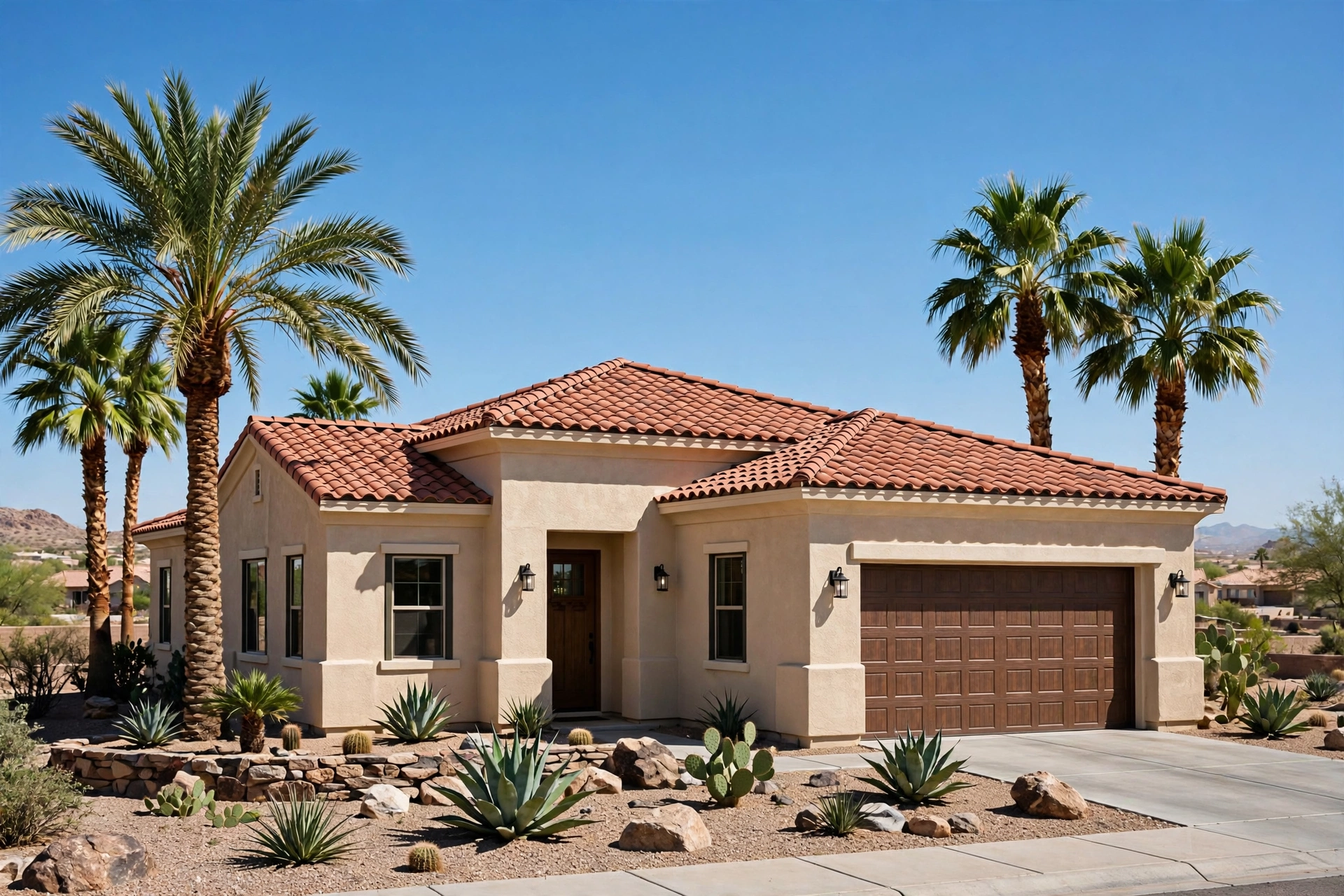
The honest comparison is not installed price but cost per year of service. Take a typical Valley example using industry mid-range estimates: a shingle roof at $13,000 lasting 20 years costs about $650 per year before maintenance. A concrete tile roof at $18,000 with an underlayment relay at year 25 costing $8,000, spread over 40 years of tile life, runs roughly $650 per year too.
The math often lands closer than the sticker prices suggest. Tile's premium buys extra decades; shingle's discount buys flexibility if you might sell or remodel within 10 to 15 years. Run your own numbers with your actual quotes and your realistic timeline in the home.
Which Should You Choose? A Decision Framework
Choose tile if: your structure already supports it, your HOA expects it, you plan to stay 15-plus years, you value the energy and longevity edge, and the higher upfront cost fits your budget.
Choose shingle if: upfront cost is the binding constraint, your home was built for shingle, you may sell within a decade, or you want the simplest, cheapest repair path.
Consider a relay if: you already have a tile roof with sound tiles approaching underlayment age. It is the Valley's best-kept value play.
Either way, the installer matters as much as the material. A perfectly installed shingle roof outperforms a sloppy tile job every time. Verify licensing with the Arizona Registrar of Contractors, get the material brand and line in writing, and compare equivalent scopes across at least three bids (Arizona Registrar of Contractors, n.d.).
Installation: What the Job Looks Like for Each
A shingle replacement is the faster job. Tear-off, deck check, underlayment, then shingles nailed in overlapping courses from eave to ridge. An experienced crew can complete an average Valley home in one to two days. The process is well standardized, which is one reason shingle bids are easier to compare: there are fewer exotic variables.
Tile installation is slower and more specialized. Each tile is individually placed and fastened, hips and ridges are set in mortar or foam adhesive, and flashing details around valleys and penetrations take real craft. Expect three to five days for the same home, and expect the crew to be a dedicated tile crew rather than generalists. This specialization is worth paying for; tile installed by a shingle crew is a leading cause of the leaks that give tile an unfair reputation.
Disruption is similar for both: dumpster in the driveway, noise from tear-off, and a day or two of workers on the roof. If you work from home, plan accordingly regardless of material.
Fire Ratings and Insurance Notes
Both concrete tile and asphalt shingles are available with Class A fire ratings, the highest residential rating, when installed as tested assemblies. Tile's inherent non-combustibility is a genuine advantage in areas near desert open space where brush fires occur. If you live near the urban-wildland edge around the Valley's outskirts, mention fire rating explicitly when comparing bids.
On insurance, Arizona carriers generally do not surcharge for either material the way Florida carriers do for older roofs. What matters to your insurer is roof age and condition. An older roof of any material can trigger higher premiums or even non-renewal conversations, which is another argument for not nursing a failing roof past its time.
Noise, Rain, and Daily Living
One under-discussed difference: rain noise. Tile roofs, especially with the air gap beneath, tend to be quieter in heavy rain than shingle on deck. During monsoon downpours the difference is noticeable inside. It is not a reason to choose tile alone, but homeowners who have lived under both consistently mention it.
Foot traffic is the reverse story. Need to access a swamp cooler, solar panels, or Christmas lights? Shingle tolerates careful foot traffic far better than tile, which cracks under concentrated weight. If your roof sees regular foot traffic for equipment service, either choose shingle or budget for a roofer to do the walking during any tile work.
What About Metal as a Third Option?
Standing-seam metal deserves an honorable mention. It rivals tile for longevity at 40 to 60 years, reflects heat well, and weighs far less than tile, so structural concerns vanish. The barriers are price, roughly $7.00 to $13.00 per square foot installed per industry guides, and aesthetics: metal still reads as unconventional in most Valley neighborhoods, and some HOAs restrict it.
Metal makes the most sense for modern-style homes, owners prioritizing longevity without tile's weight, and anyone planning rooftop solar, since standing seams accept clamp-mounted panels without roof penetrations. Get a dedicated metal bid alongside your tile and shingle quotes if your home's style allows it.
Warranties Compared Honestly
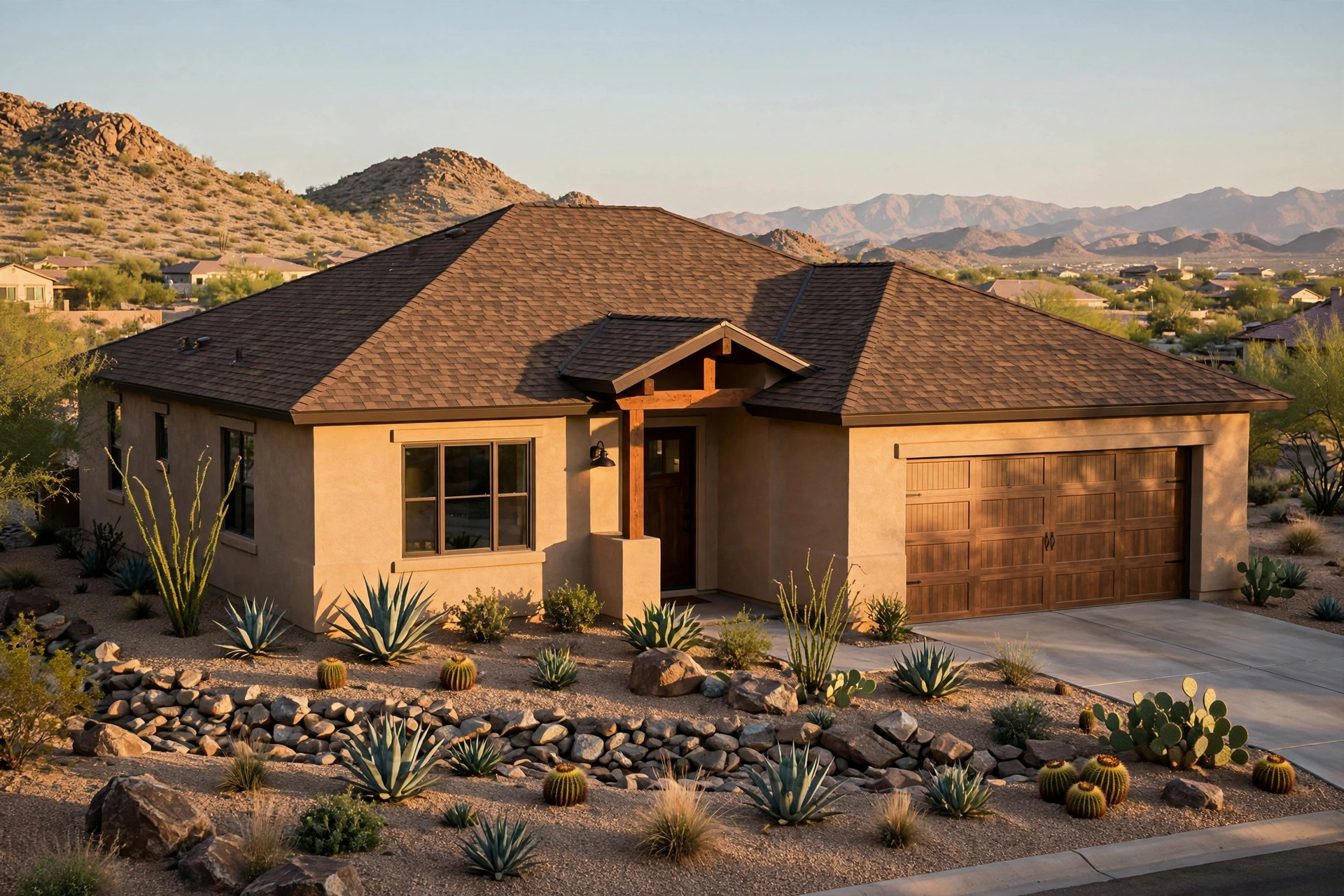
Manufacturer warranties look similar on paper and differ in practice. Architectural shingles commonly carry limited lifetime or 30 to 50 year material warranties, but these are typically prorated after the first decade, meaning the payout shrinks as the roof ages. They also exclude labor after the initial period unless you buy into an enhanced warranty tier installed by a manufacturer-certified contractor.
Tile manufacturers offer similarly long material warranties, and tile's actual durability means those warranties are less likely to be tested by premature failure. But read the exclusions: underlayment, which is the part that actually ages out in Arizona, is often warranted separately and for a shorter period than the tiles. The tile warranty covering the tiles for 50 years while the underlayment warranty runs 20 is standard, not deceptive, as long as you understand it before signing.
Workmanship warranties come from the contractor, not the manufacturer, and this is where the installer's quality matters most. In the Valley, 5 to 10 year workmanship warranties are common. A contractor who has been operating locally for years has more incentive to honor one than a storm-chaser who will be gone by next monsoon. Get the workmanship warranty in writing with the company's legal name and license number on it.
Beyond Phoenix: Tucson, Flagstaff, and the Rest of Arizona
Everything above is written for the Phoenix metro, but Arizona is not one climate. Tucson runs slightly cooler with a stronger monsoon pattern; the same tile-versus-shingle logic applies, though storm-driven rain makes flashing quality even more important. Higher-elevation areas like Flagstaff and Prescott see snow loads and freeze-thaw cycles that Phoenix never does, and there shingle's flexibility and lower weight can be genuine advantages while tile needs freeze-rated products.
If your home is outside the Valley, tell your estimator exactly where it sits and ask how the material choice changes for that microclimate. A contractor who gives the same answer for Flagstaff and Phoenix is not thinking about your roof.
Frequently Asked Questions
Which is better for Arizona heat, tile or shingle?
Tile performs better in sustained desert heat. Its curved profile creates a ventilated air gap that sheds heat before it reaches the attic, and the tiles themselves resist UV degradation far longer than asphalt. Shingle is serviceable but typically needs replacement sooner in Phoenix conditions.
How much more does tile cost than shingle in Arizona?
Industry cost guides put concrete tile roughly 30 to 60 percent higher installed than architectural shingle, or about $6.00 to $10.00 per square foot versus $4.50 to $7.50. These are planning estimates; actual quotes depend on roof size, pitch, and complexity.
Can I put a tile roof on a home built for shingles?
Only after a structural engineer verifies the framing can support tile's weight, which is several times heavier than shingle. Reinforcement, if needed, adds significant cost. Never skip the engineering check.
Do tile roofs need maintenance?
Yes. Tiles should be inspected every few years for cracks and slippage, valleys kept clear of debris, and flashing checked. The major service is underlayment replacement at 20 to 30 years, usually done as a lift and relay reusing the original tiles.
Will my HOA allow shingles if neighbors have tile?
Possibly not. Many Valley HOAs restrict roofing materials and colors through their CC&Rs. Check with your architectural committee before signing any contract.
Which lasts longer in Phoenix, tile or architectural shingle?
Tile lasts longer. Concrete tile itself can last 40 to 50 years (with underlayment service at 20 to 30 years), while architectural shingles realistically last 18 to 25 years in Arizona's UV exposure despite higher manufacturer ratings.
References
Arizona Registrar of Contractors. (n.d.). Search for a licensed contractor. https://roc.az.gov/
National Weather Service. (n.d.). Phoenix climate normals and records. https://www.weather.gov/psr/
Tile Roofing Industry Alliance. (n.d.). Concrete and clay tile roofing. https://tileroofing.org/
U.S. Department of Energy. (n.d.). Cool roofs. https://www.energy.gov/energysaver/cool-roofs
Asphalt Roofing Manufacturers Association. (n.d.). Residential asphalt roofing. https://www.asphaltroofing.org/
Get an Honest Tile vs Shingle Recommendation
We'll walk you through the real tradeoffs for your specific home, not a generic sales pitch toward the pricier option.
[Call Now]
Free inspection · Licensed & insured · Serving Phoenix and the Valley
Roof Questions? One Call.
Free inspection, honest answer, no pressure either way.
Call 1-(844) 640-5335